If you are thinking about selling in Lombard, one question matters more than almost anything else: how do you price your home right without leaving money on the table? In today’s 60148 market, buyers are still active, but they are also more payment-conscious. That means your home needs the right mix of preparation, pricing, and timing to stand out. Let’s dive in.
What today’s Lombard market looks like
Lombard’s 60148 market is still competitive by several measures. Zillow reported an average home value of $390,690 as of May 31, 2026, up 5.4% year over year, with a median list price of $382,000 and a median sale price of $361,333. Zillow also showed a median sale-to-list ratio of 0.998 and a median days to pending of 7.
Other sources show slightly different pacing, which is normal because market trackers use different date ranges and methods. Realtor.com’s June 2026 data for 60148 showed a median listing price of $399,000, 182 homes for sale, 26 median days on market, and a 100% sale-to-list ratio. Redfin’s recent three-month snapshot showed a median sale price of $386,885, about three offers on average, and 43 days on market.
The big takeaway is simple: well-priced, well-presented homes in Lombard can still sell near asking price. At the same time, buyers are watching affordability closely, especially with Freddie Mac reporting a 30-year fixed mortgage average of 6.49% on June 25, 2026. That makes pricing strategy even more important.
Why pricing is not one-size-fits-all
It is tempting to look at one average number for Lombard and assume that is what your home should list for. In reality, pricing is much more specific than that. Your home’s size, condition, updates, layout, and competition all shape where it should land.
Recent 60148 sales show just how wide the range can be. Redfin’s sold examples included a two-bedroom condo at $163,000 after 77 days, a three-bedroom home at $332,500 selling 4% over list, another three-bedroom home at $295,000 selling 2% under list, and a five-bedroom home at $830,000 selling 7% over list. That spread is a good reminder that broad ZIP code averages only tell part of the story.
A smart price starts with the most recent comparable sales, then adjusts for features that matter to buyers right now. That includes upgrades, deferred maintenance, lot characteristics, layout, and what else is currently on the market. If your goal is speed, the pricing strategy may look different than if your goal is testing the top end of the market.
How a strong pricing strategy is built
Agents typically use a comparative market analysis, often called a CMA, to recommend a list price. That means reviewing recently sold homes, homes under contract, and active listings that are similar to yours. The goal is to place your property in the current market, not last season’s market.
The condition of your home matters just as much as the numbers. Two homes with similar square footage can produce very different results if one feels move-in ready and the other feels like a project. Buyers tend to compare everything online and in person, so your list price has to match the experience they will have when they walk through the door.
Market conditions also matter. In a higher-rate environment, buyers may be less willing to stretch beyond what feels reasonable. That is one reason realistic pricing can create stronger interest, better traffic, and in some cases better offers.
What overpricing can cost you
Many sellers worry more about underpricing than overpricing. But in a market where homes can move quickly when they are positioned well, overpricing often creates the bigger problem. A home that sits too long can start to feel stale, even if nothing is wrong with it.
When that happens, buyers may assume the seller is unrealistic or that the home has hidden issues. You can end up chasing the market with price cuts instead of launching with momentum. In Lombard, where some homes are still going pending quickly, that early momentum matters.
What to prepare before listing
Preparation does not always mean a major remodel. In many cases, the most effective work is simple, visible, and focused on making the home feel clean, cared for, and easy to picture living in.
According to NAR guidance, some of the best pre-listing steps include cleaning windows, carpets, lighting fixtures, and walls, storing away clutter, and improving curb appeal. Staging can also help buyers visualize the property as their future home, and buyers’ agents have consistently said that matters.
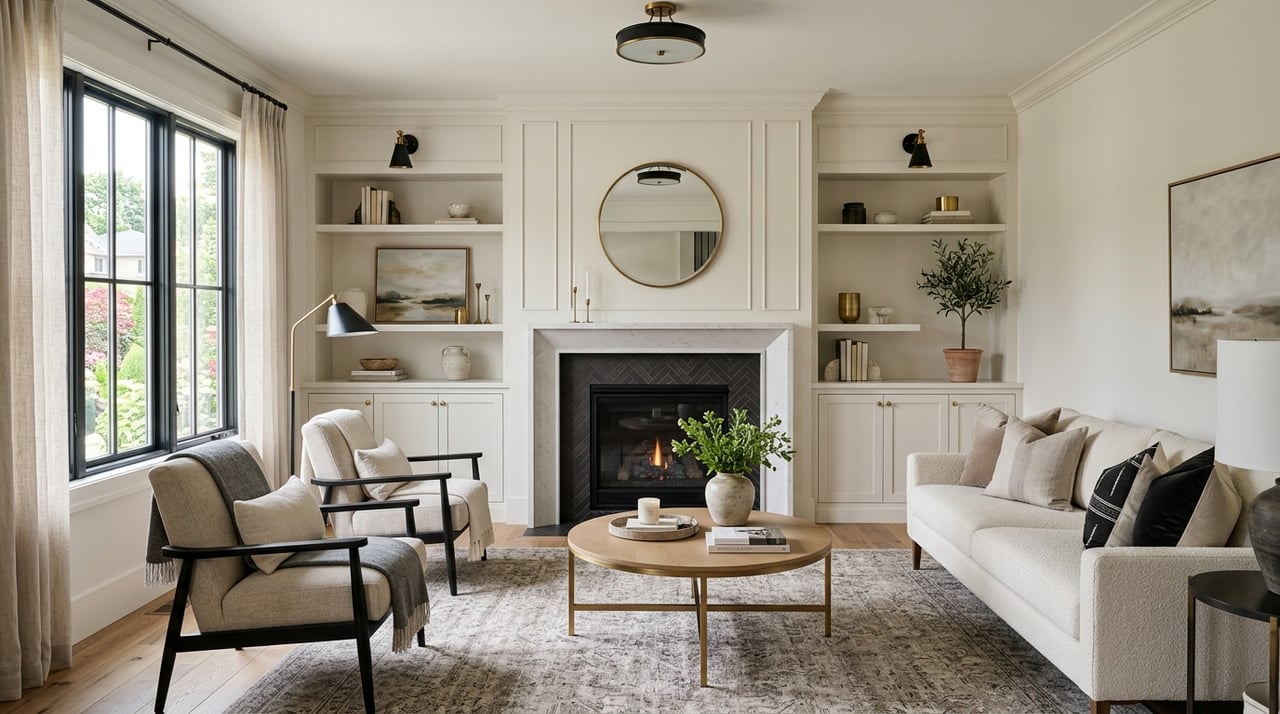
The rooms most often staged are the living room, primary bedroom, and dining room. If you are deciding where to focus time and money, those spaces are often a practical starting point. Good listing photos and showings usually benefit from that effort.
Focus on the updates buyers notice most
You do not need to fix everything before listing. You do want to address the items that shape first impressions and buyer confidence.
Start with the basics:
- Declutter shelves, counters, closets, and storage areas
- Deep clean floors, walls, windows, and light fixtures
- Touch up paint where scuffs or wear are visible
- Replace burnt-out bulbs and make sure lighting feels bright
- Remove excess furniture if rooms feel crowded
- Refresh bedding, towels, and simple decor for showings
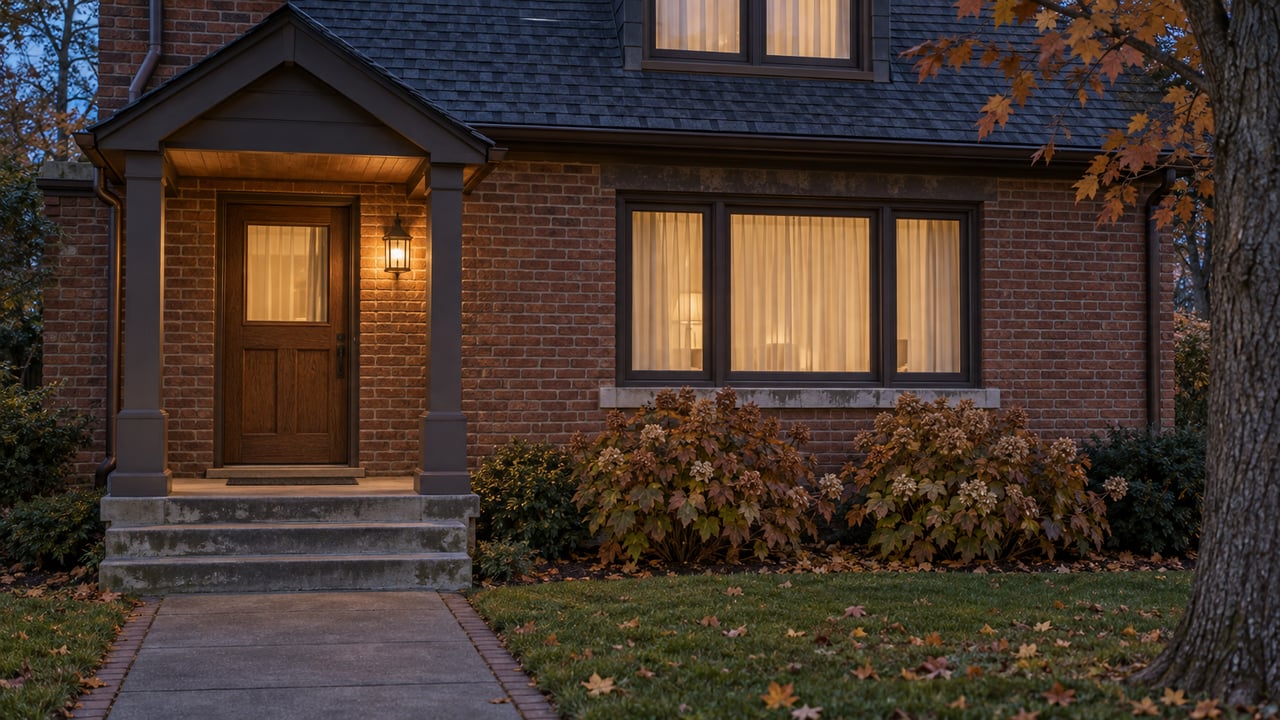
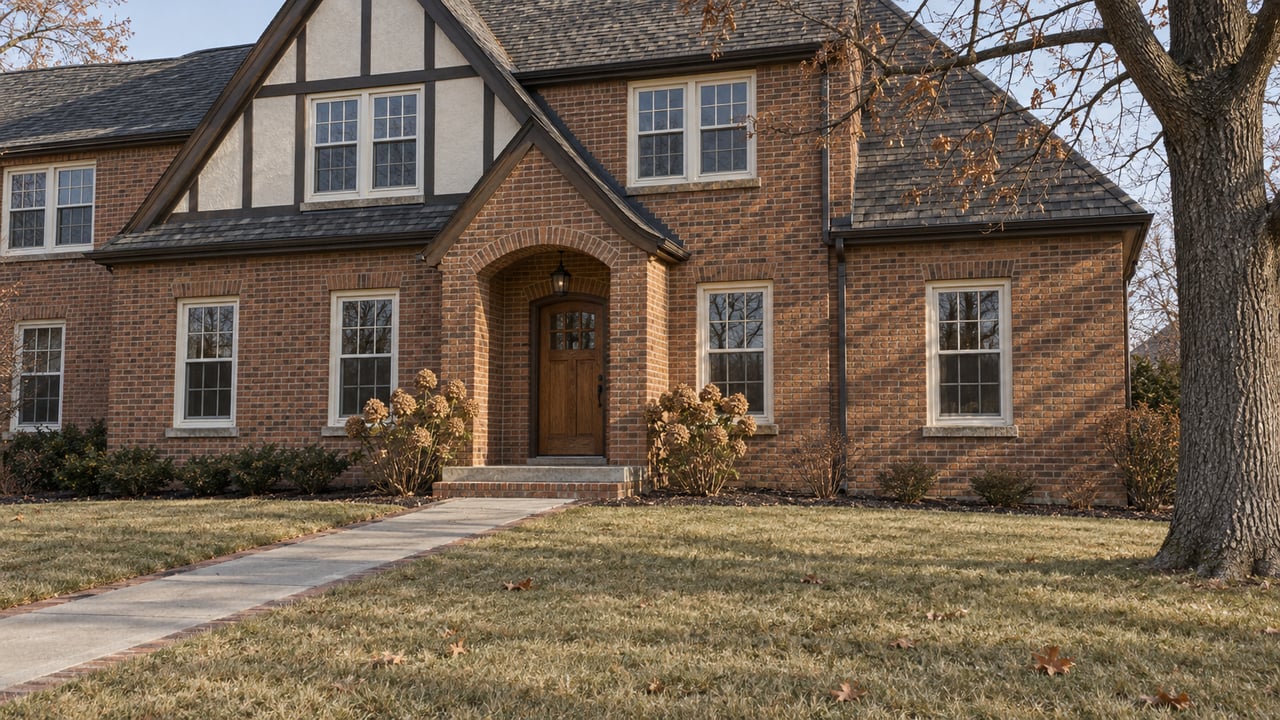
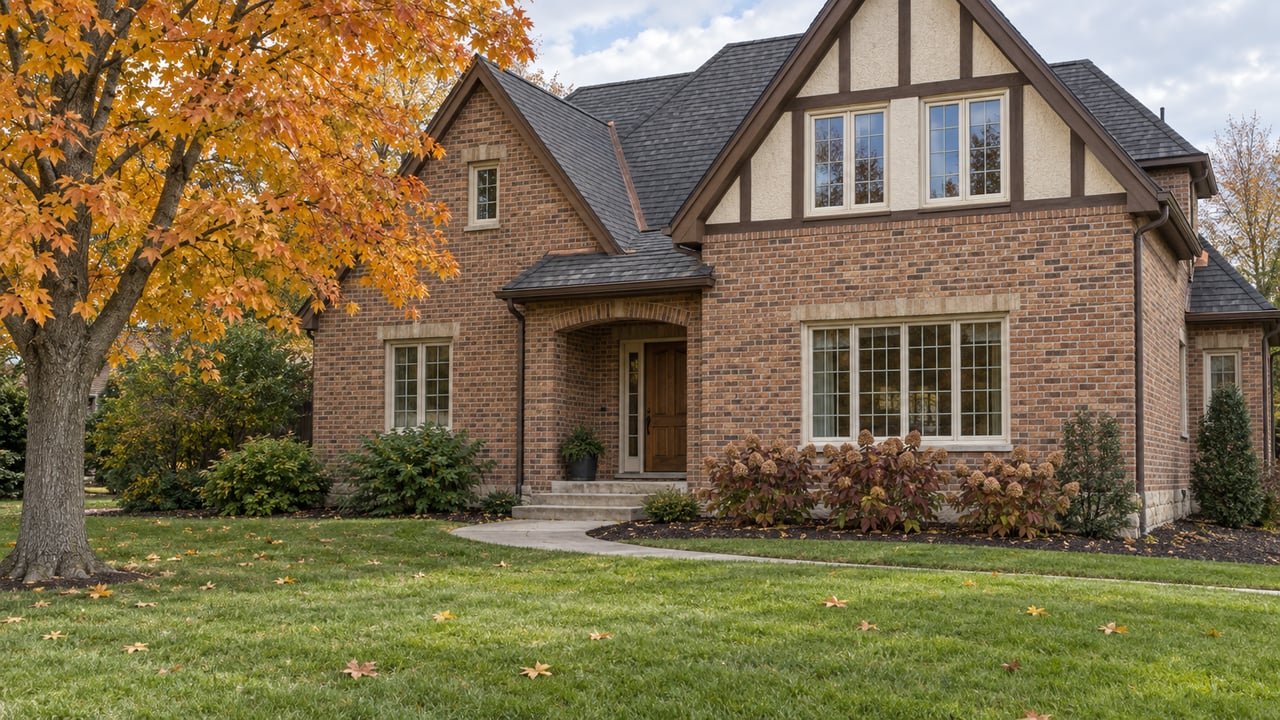
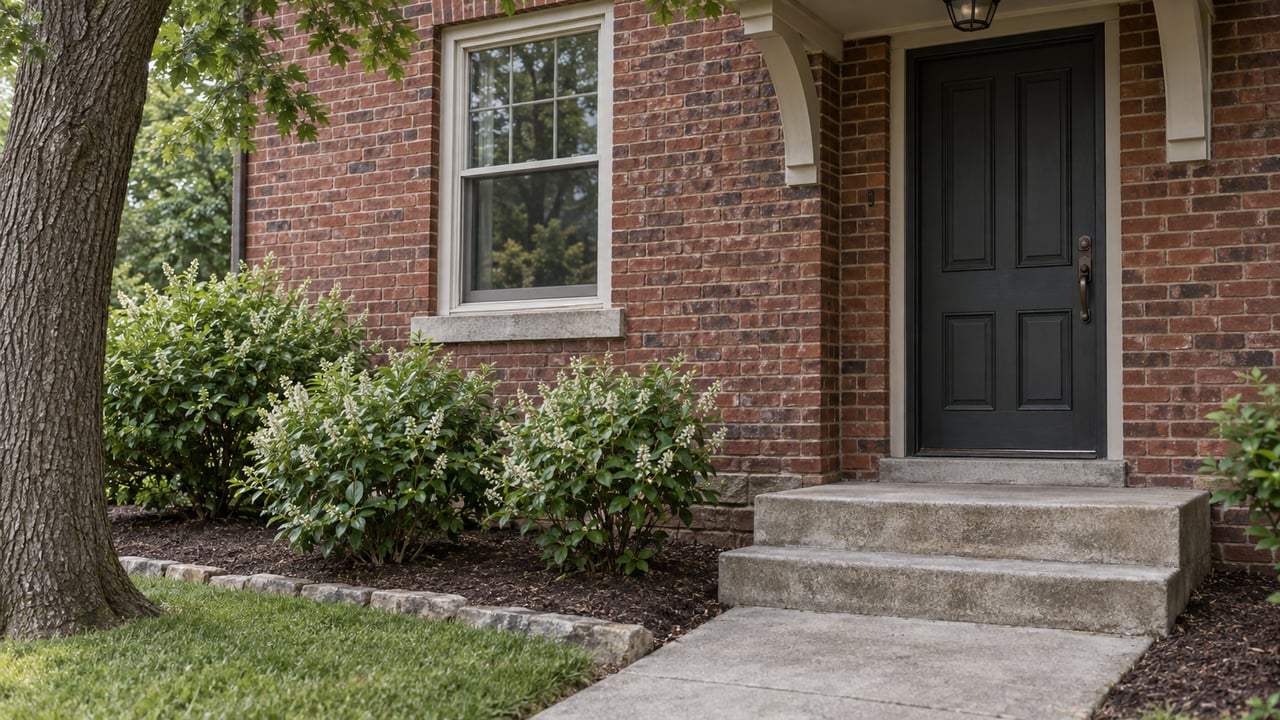
Outside, curb appeal can have a big impact before buyers even step inside. A trimmed lawn, edged grass, cleaned windows, polished house numbers, repaired driveway cracks, and a neat front entrance all help create a stronger first impression.
Decide what to repair and what to disclose
Not every seller wants to complete every repair before listing. That is okay, but you still need a plan. If a repair is significant, it helps to understand the likely cost even if you choose not to do it.
A pre-sale inspection is optional, but it can help identify issues before buyers do. That can give you more control over pricing, repair decisions, and disclosures. For some sellers, it also reduces surprises once the home is under contract.
In Illinois, the Residential Real Property Disclosure Act requires sellers to complete the disclosure report and deliver it before the contract is signed. If new information comes up before closing, the disclosure must be supplemented. An as-is sale does not replace that disclosure requirement.
Time your prep the right way
If you are planning to sell in the next 6 to 12 months, the order of operations matters. Starting too late can create stress. Starting with the wrong tasks can waste time and money.
A practical sequence for Lombard sellers looks like this:
- Review your home’s likely market position and pricing range
- Identify needed repairs and gather estimates if necessary
- Prepare disclosure information early
- Complete cosmetic improvements and decluttering
- Stage the home once it is close to show-ready
- Schedule final photography only when the home is fully ready
- Launch with a pricing strategy that fits current competition
This sequence supports both presentation and timing. It also helps you avoid taking photos before the home is truly ready, which can weaken your online first impression.
Think beyond the highest offer
Once your home hits the market, pricing and prep should help attract serious buyers. But the best outcome is not always just the highest number. Offer strength can also depend on financing, contingencies, timing, and how likely the deal is to close smoothly.
That matters in a market where some homes receive multiple offers. A strong list strategy can create leverage, but you still want to compare the full terms of each offer carefully. The right choice is often the one that balances price with certainty.
A local strategy matters in Lombard
Selling in 60148 is not just about following a generic checklist. Lombard’s market is competitive, but it is also nuanced. Homes can sell near asking when they are priced and presented well, yet the range of outcomes within the same ZIP code is wide.
That is why local guidance matters. A team that knows Lombard, understands western suburban buyer expectations, and can help you compare traditional listing options with as-is paths when needed can make the process more focused and less stressful.
Whether you are preparing months in advance or getting ready to list soon, the goal is the same: launch with confidence. If you want a practical plan for pricing, prep, and timing in today’s market, connect with Paul Baker for a strategy built around your home and your goals.
FAQs
How should you price a home in Lombard 60148 today?
- Start with recent comparable sales, then adjust for your home’s condition, upgrades, size, and current competition in the market.
What does the Lombard 60148 housing market look like in 2026?
- Recent data shows a competitive market with homes often selling near asking price, though days on market vary by source and property type.
What repairs should you make before selling a Lombard home?
- Focus first on visible issues, basic maintenance, cleanliness, curb appeal, and any larger repair items that could affect buyer confidence.
Do Illinois home sellers need to complete disclosures for a Lombard sale?
- Yes. Illinois sellers must complete the required residential property disclosure report before the contract is signed and update it if new information arises before closing.
Is staging worth it when selling a home in Lombard?
- Staging can help buyers picture themselves in the home, and it is especially useful in key spaces like the living room, primary bedroom, and dining room.