The village has already done the hard part. Downers Grove Public Works has spent the past two years tracing the material of every water service line in town, door hanger by door hanger, to comply with the state's Lead Service Line Replacement and Notification Act. What it has not done, as of a March 2026 update to the village board, is settle who covers the cost of pulling out the ones that need to go. For anyone buying or selling an older home here, that unresolved question is the part worth understanding before the map itself.
What the inventory actually found
Downers Grove serves roughly 17,000 residential and business water customers, and for years nobody had a complete picture of what runs from the water main to each house. That changed starting in October 2023, when the village mailed survey letters to about 3,000 properties most likely to have a lead line and asked residents to help identify the pipe material, often by scratching the line near the meter and checking whether a magnet sticks or a coin leaves a scratch.
The results, presented to the village board in March 2026, broke down like this:
| Line material | Count |
|---|---|
| Known lead | 1,287 |
| Known galvanized (often downstream of a lead connection) | 181 |
| Still unknown | 1,126 |
| Worst-case total needing eventual replacement | 2,594 |
That last number, 2,594, is a ceiling, not a forecast. It assumes every unknown line turns out to be lead. The real count will fall somewhere below that once field verification catches up.
The practical tool that comes out of all this is a public Water Service Line Map that anyone can check by address. If you are touring a home built before the pipe was traced, or listing one, this is a five-minute step that used to require guesswork.
Why age matters more than the map does, for now
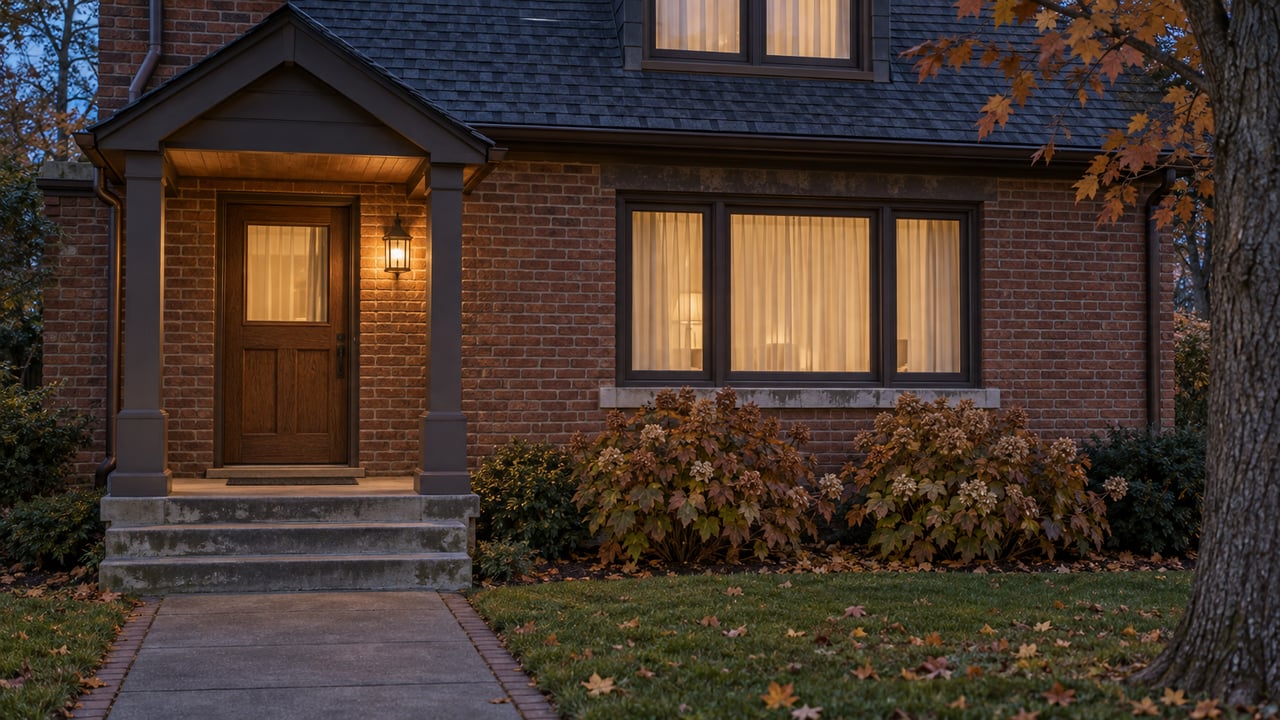
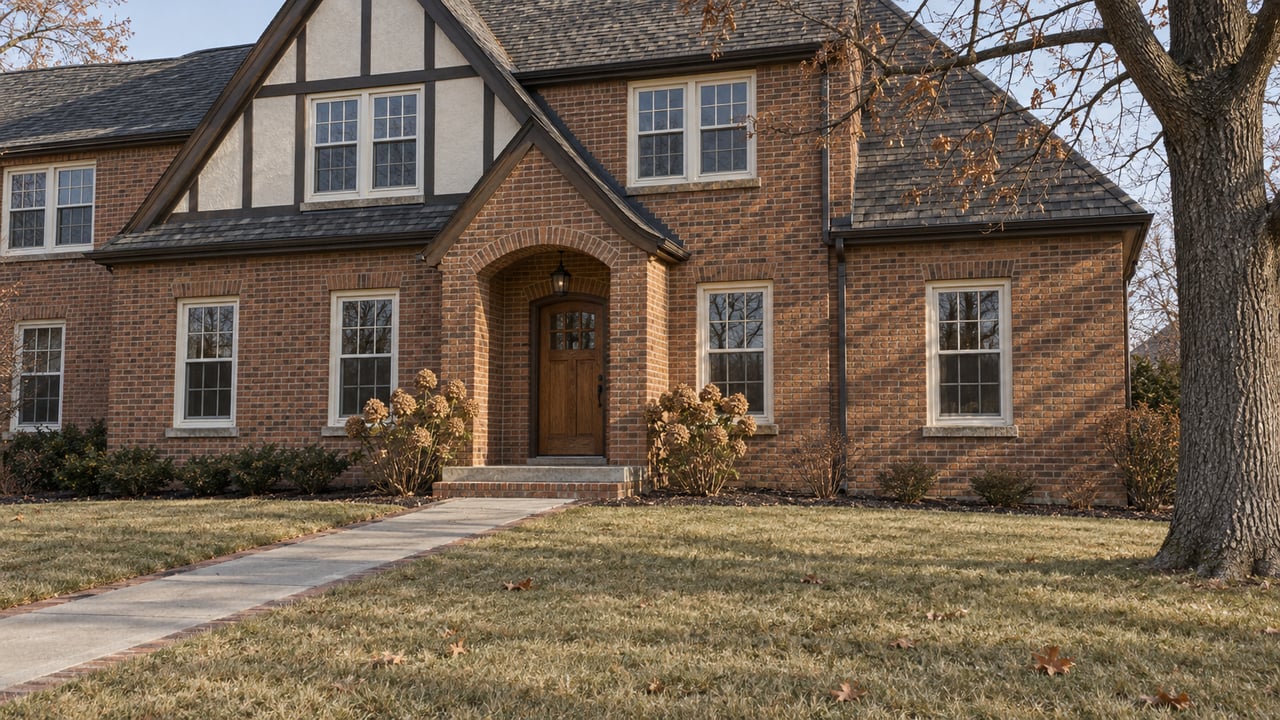
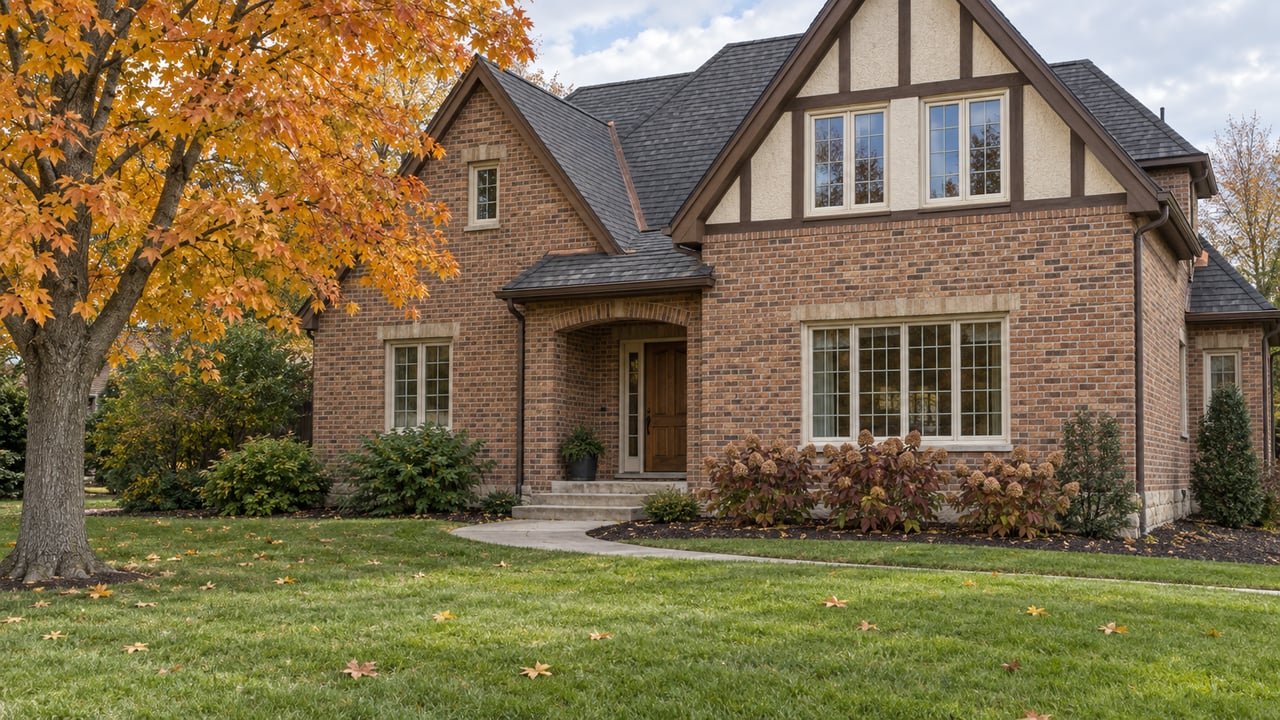
The village's own guidance is straightforward on this point: homes built prior to 1930 are the most likely candidates for a lead service line, unless a remodel already swapped it out. That timing lines up almost exactly with the housing stock that gives Downers Grove its character, the Tudor-influenced brick homes and mature-lot single-families concentrated in the areas the village has studied for historic significance over the past decade.
That overlap matters because the map still has 1,126 unknowns sitting in it. If a home falls in that pre-1930 window and the map shows "unknown" rather than a confirmed material, the honest answer to "does this house have a lead line" is that nobody has checked yet. A buyer touring that kind of home isn't just weighing wainscoting and window trim. They're weighing whether they want to be the ones who trigger the discovery.
The waiver most people never hear about
Here's the detail that changes the negotiation, not just the disclosure conversation. The Village of Downers Grove says replacing a confirmed lead line in Downers Grove is not legally required of the homeowner. A resident can decline replacement, but only by signing a waiver through the Illinois Department of Public Health. That means two houses on the same block, both confirmed lead, can be in entirely different postures: one owner has already signed away the replacement obligation, the other hasn't touched the question at all.
For a buyer, that waiver status is now a real due-diligence item, on top of the material itself. It's not something a standard home inspection catches. A general inspector checks the visible plumbing inside the house, not the buried line running under the parkway to the main. If a lead line matters to a buyer's decision, checking the map and asking directly about waiver status are two separate steps, not one.
Who pays is the open question, and it's closing soon
Replacing a private-side service line in Downers Grove runs an estimated $7,000 to $10,000 or more, depending on the length of run and how much paved surface or landscaping stands in the way. That's a real number to plan around. What isn't settled yet is whose number it is.
The village has said directly that it will determine responsibility for the cost of replacing the private side of the line as part of its Lead Service Line Replacement Plan, with that determination due before 2027. That means the policy that will decide whether a homeowner, the village, or some combination absorbs a multi-thousand-dollar replacement cost could land at any point before then, potentially in the middle of transactions that are already under contract.
That timing is the actual thesis here. The map tells you what material is in the ground. It does not tell you what happens next, financially, and the answer to that second question is still being written. A seller with a confirmed lead line today has a genuinely different negotiating position than a seller with the same line after the village locks in its cost-sharing policy, whichever direction that policy lands.
What this means at the negotiating table right now
If you're selling an older Downers Grove home, checking the village's Water Service Line Map before you list is worth doing alongside your standard prep. If your address shows a known lead or galvanized line, that's a fact a buyer's attorney will likely raise during attorney review regardless of whether it appears on the state disclosure form, since Nolo explains that Illinois' Residential Real Property Disclosure Act already asks sellers to report known material defects affecting a home's value or the safety of its occupants. Knowing your status ahead of the question, rather than reacting to it, tends to keep a negotiation calmer.
If you're buying, add the map check to your pre-offer routine the same way you'd check flood history or a survey. If the result comes back "unknown" on a pre-1930 home, treat that the way you'd treat any open item: it's not a red flag by itself, but it's a question worth asking the seller directly, including whether a waiver has been filed.
Either way, the conversation about cost responsibility is one to have with clear eyes about the timeline. A policy decision that lands after your closing date could change the math on a line that was priced into the deal one way and settles another.
Common questions about the lead line map
Does Illinois law require sellers to disclose a lead service line specifically? The state's disclosure form asks about known material defects affecting value, health, or safety. Federal lead disclosure rules for homes built before 1978 cover lead-based paint specifically, which is a separate requirement from the water service line question.
Is checking the map the same as testing my water? No. The map reflects the identified material of the physical pipe. Water testing checks for lead in the water itself, which can vary depending on corrosion and other factors even when the pipe material is known. The village lists local labs for anyone who wants that separate step, with testing typically running $20 to $100.
What should I do if my address shows "unknown"? The village will schedule a no-cost inspection through Public Works to confirm the material, which is useful information to have in hand before you list or make an offer rather than finding out mid-transaction.
Older homes are a large part of what makes Downers Grove worth the search, and questions like this one are exactly the kind of local detail that's easy to miss without someone who tracks the village's own updates. If you're weighing a purchase or a sale in one of the town's established neighborhoods and want a clear read on what a property's service line status actually means for your timeline, Team Baker is a straightforward place to start that conversation.
This article is general information, not legal, tax or financial advice. Consult a qualified professional about your situation.